Last Updated on April 26, 2026
Evidence-based content
All content on ThyForLife is developed from peer-reviewed scientific literature, published clinical guidelines, and data from accredited medical research institutions.

According to the World Health Organization, headaches are one of the most common health complaints worldwide. Although this condition is very relatable, not all headaches are the same or have the same causes or triggers. For some people, especially those with unexplained, persistent headaches, the root cause may have something to do with the body’s hormonal system, specifically, the thyroid gland.
So, this leads to our main question for this blog article: Can hypothyroidism or other thyroid conditions really cause headaches? The short answer is: yes, they can. The longer answer is a little more nuanced. This article addresses this nuance by answering the following questions:
What is the thyroid and why does it matter for headaches?
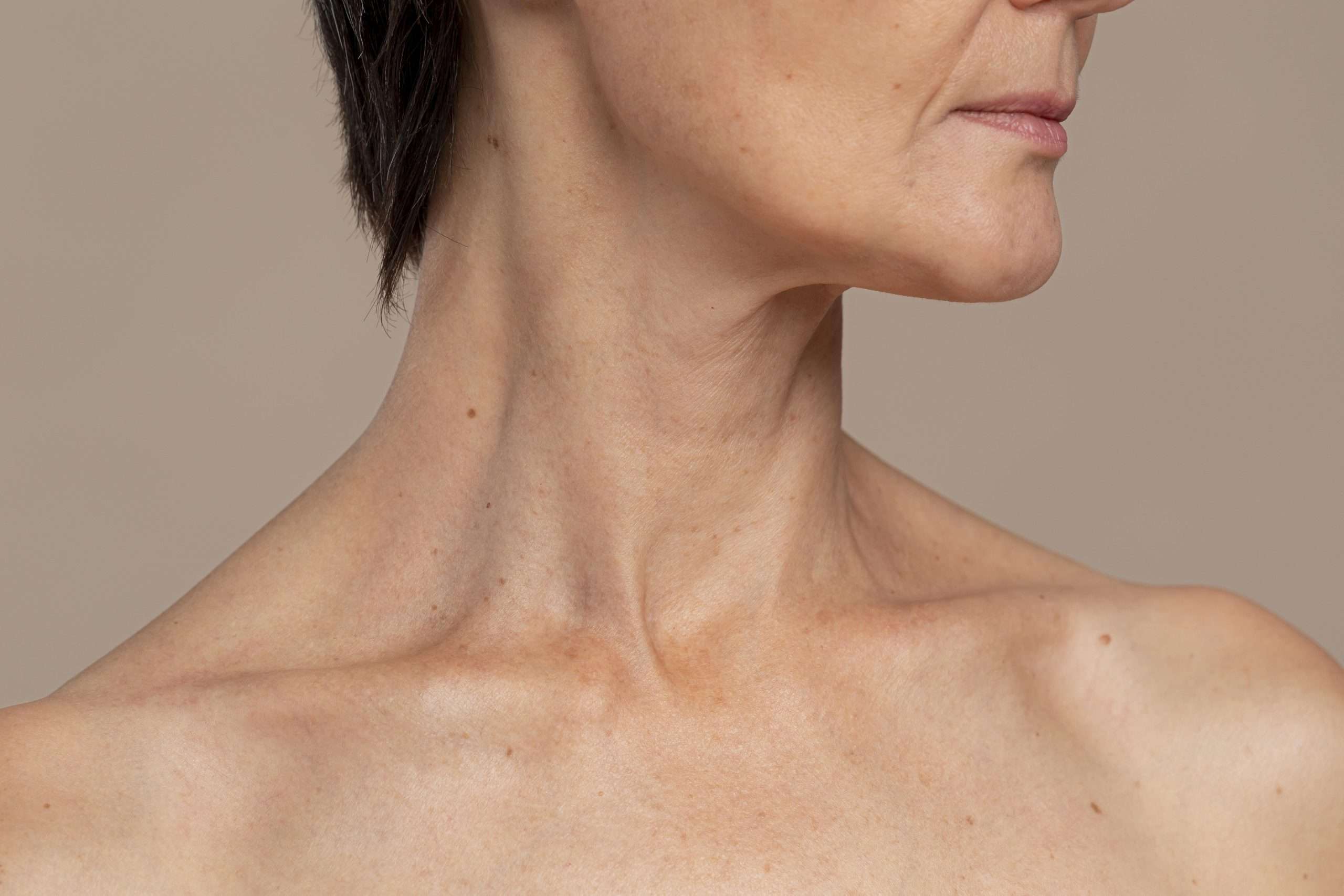
The thyroid is a small, butterfly-shaped gland in your neck that produces hormones called T3 (triiodothyronine) and T4 (thyroxine). These hormones regulate:
- Metabolism
- Heart rate
- Blood pressure
- Body temperature
- Brain function
When thyroid hormone levels are too low (hypothyroidism) or too high (hyperthyroidism), multiple systems of the body are affected, including the brain and blood vessels, which are directly involved in the development of a headache.
How common is the link between thyroid problems and headaches?
According to scientific research, there is indeed a connection between thyroid disorders and headaches. In fact, the International Classification of Headache Disorders (ICHD) recognizes headaches attributed to hypothyroidism as a distinct category. Studies published in journals like Cephalalgia and Headache have also demonstrated that thyroid hormone imbalance can increase headache susceptibility.
In a Brazilian study published in the Arquivos de Neuro-Psiquiatria journal in 2020, researchers found that thyroid dysfunction (particularly hypothyroidism) is more common among people who suffer from primary headaches (migraine and tension-type) than in the general population. Although generally, estimates vary by study, many report higher-than-expected co-occurrence. That means if someone has frequent headaches, it’s reasonable for a clinician to consider checking thyroid function.
What kinds of headaches are associated with hypothyroidism?
Migraine
A migraine is a neurological headache disorder that causes moderate to severe head pain, usually throbbing or pulsating, often on one side of the head, and is commonly accompanied by nausea, vomiting, and sensitivity to light and sound.
Findings from a study from the University of Cincinnati, published in the Headache journal, showed a stronger association between migraine and hypothyroidism than between hypothyroidism and other headache types.
Tension-type headaches and new daily persistent headaches
Hypothyroidism can also be linked to a tension-type headache, which is a common headache characterized by dull, aching, pressure-like pain (often described as a tight band around the head), typically mild to moderate, bilateral (on both sides of the head), and not worsened by physical activity. Older studies, such as one published in Cephalalgia in 1998, reported headaches appearing soon after hypothyroid symptoms begin.
A new daily persistent headache (NDPH) is another headache disorder in which a person can clearly remember the exact day the headache began, and from that point it becomes daily and constant within 24 hours, lasting at least 3 months. In a Turkish study published in 2022, about 21 percent of study participants (individuals with hypothyroidism caused by Hashimoto’s thyroiditis) had NDPH.
Your headaches might be thyroid headaches
Track your headaches alongside thyroid symptoms and medication to spot the trigger. Plus self-care tools for sleep, mental health, and physical wellness designed specifically for people with thyroid conditions. Free on iOS and Android.
Download ThyForLife for FreeHow might hypothyroidism trigger headaches?
If hypothyroidism is strongly associated with all these types of headaches we’ve talked about so far, then it makes sense to think there must be an underlying mechanism that explains this association. However, as it stands now, the exact mechanisms are not yet clear as they are still being researched. That said, here are some plausible ideas:
- Changes in brain blood flow
Low thyroid hormones can reduce cerebral blood flow and alter how blood vessels in the brain expand and contract. This vascular instability may trigger headache pain, especially migraines.
- Neurotransmitter imbalances
Thyroid hormones help regulate serotonin, dopamine, and norepinephrine. These neurotransmitters are chemicals that influence mood and pain perception. Disruption in their pathways has been identified as a core factor in the neurobiology of migraines.
- Fluid retention and tissue swelling
Hypothyroidism can cause fluid retention and swelling (called myxedema). When this affects tissues in the head and neck, it may contribute to pressure-type headaches.
- Muscle tension and neck stiffness
Low thyroid function often causes muscle stiffness and cramps, especially in the neck and shoulders. This can lead to tension-type headaches that feel like a tight band around the head.
It’s important to bear in mind that none of these alone fully explains the relationship and that it’s likely multifactorial (meaning several mechanisms work together) and can differ between individuals.
Can hyperthyroidism also cause headaches?
Yes, but through different mechanisms.
In hyperthyroidism, headaches may be linked to:
- Increased blood pressure
- Rapid heart rate
- Heightened nervous system excitability
- Muscle tension
- Sleep disturbances
These factors can trigger headaches, migraines, and even worsening of pre-existing headache disorders.
If I have frequent headaches, should I get my thyroid checked?
Yes, but it depends, especially if you have other symptoms of hypothyroidism (such as fatigue, weight gain, cold intolerance, dry skin, constipation, menstrual irregularities, and slowed thinking). In that case, your doctor will likely deem thyroid function tests necessary.
A basic thyroid panel typically includes:
- TSH (thyroid-stimulating hormone) which is the most sensitive single test.
- Free T4 (free thyroxine) to confirm whether thyroid hormone is low.
- Thyroid antibodies (anti-TPO, anti-thyroglobulin) if autoimmune disease is suspected.
Many headache specialists and general practitioners check TSH as part of a broader evaluation for secondary causes of new or worsening headaches.
Does treating hypothyroidism help headaches?
Several studies and clinical reports show that correcting hypothyroidism (overt or subclinical) with levothyroxine (thyroid hormone replacement) can reduce headache frequency and severity for many people, including some with migraine.
However, the evidence is mixed and not all studies show a clear statistical benefit (likely due to variation in study sizes). Also, overtreatment (too high a dose of thyroid hormone producing hyperthyroid state) can itself trigger headaches and other symptoms. That’s why careful dosing of thyroid hormone replacement and monitoring of TSH are important.
In short, if hypothyroidism is present, appropriate replacement often helps, but it’s not a guaranteed cure for every headache type and must be managed properly.
What are some other possible causes of headaches to consider?
As mentioned at the beginning of this blog article, headaches typically have a variety of causes. And so, even if your TSH is abnormal, your headaches may be due to something other than the thyroid.
Common other causes include:
- Stress and tension
- Dehydration
- Eye strain or poor vision
- Sleep disorders
- Medication overuse headaches
- Sinus congestion
- High blood pressure
A proper medical evaluation typically considers the following:
- Primary headache disorders (such as migraine and tension-type)
- Medication-overuse headache (common if acute painkillers are used frequently)
- Sleep apnea or poor sleep, dehydration, or caffeine withdrawal
- Vision problems, sinus disease, or high blood pressure
- Rare secondary causes that need urgent attention (such as sudden severe headache, neurological signs, and fever)
Always discuss these with your clinician so they can tailor testing and treatment.
What can I do if I suspect my headaches are because of my thyroid?
- Track your headaches. Keep a short diary (for noting the frequency, duration, pain type, triggers, medications used, and associated symptoms like nausea or aura). The ThyForLife app can help you track your symptoms.
- If diagnosed with hypothyroidism, follow up regularly while getting levothyroxine so your dose is adjusted by TSH and symptoms. Report improvements or worsening of headaches.
- Seek urgent medical attention if a headache is sudden and extremely severe, accompanied by vision loss or weakness, associated with fever and neck stiffness, or causing confusion or personality changes. These are not typical of thyroid-related headaches.
- Avoid medication overuse. Using simple painkillers more than 10 to 15 days per month can cause rebound headaches; discuss safe acute and preventive strategies with your doctor.
Key takeaways
- Thyroid disorders, including hypothyroidism, are linked to a higher risk of headaches, particularly migraines and tension-type headaches.
- The connection isn’t fully understood, and not every headache in a person with hypothyroidism is caused by the thyroid.
- Many people have coexisting primary headache disorders (like classic migraine or tension-type headache).
- However, treating hypothyroidism often helps in many patients, while overtreatment can also cause headaches.
- A proper evaluation ensures accurate diagnosis and safe, effective treatment.
- Urgent care is needed for sudden, severe “worst headache of your life” or neurological changes (such as weakness, numbness, or vision loss).