Last Updated on April 26, 2026
Evidence-based content
All content on ThyForLife is developed from peer-reviewed scientific literature, published clinical guidelines, and data from accredited medical research institutions.


Medically reviewed by
Dr. Minako Abe, M.D., Board-certified emergency medicine physician researching the relationship between lifestyle and disease onset in relation to the immune system and cancer, Japan
When it comes to thyroid disorders, most people are familiar with hypothyroidism (underactive thyroid) and hyperthyroidism (overactive thyroid). However, there exist subtler conditions involving hormonal imbalances that don’t meet the strict diagnostic criteria for overt hypothyroidism or hyperthyroidism but may still carry some significant health implications. Subclinical thyroid disease can be viewed as a condition that lies along the spectrum between normal thyroid function and thyroid dysfunction. Subclinical thyroid disorders, whether subclinical hypothyroidism or subclinical hyperthyroidism, typically do not present any obvious symptoms. They may, however, progress to overt thyroid dysfunction over time, although such progression is not too common.
In this article, we will discuss various aspects of subclinical hypothyroidism and subclinical hyperthyroidism, including their prevalence, risk factors, clinical significance, diagnostic methods and challenges, and management strategies.
Subclinical hypothyroidism
What is subclinical hypothyroidism?
Subclinical hypothyroidism occurs when TSH levels are elevated while T3 and T4 levels remain within the normal range. Although individuals may not display typical hypothyroidism symptoms such as fatigue, weight gain, or cold intolerance, studies have shown that subclinical hypothyroidism is associated with an increased risk of heart disease, especially among the elderly. Subclinical hypothyroidism often indicates early-stage thyroid dysfunction, and the causes can range from autoimmune thyroiditis (Hashimoto’s) to iodine deficiency.
Diagnostic Criteria
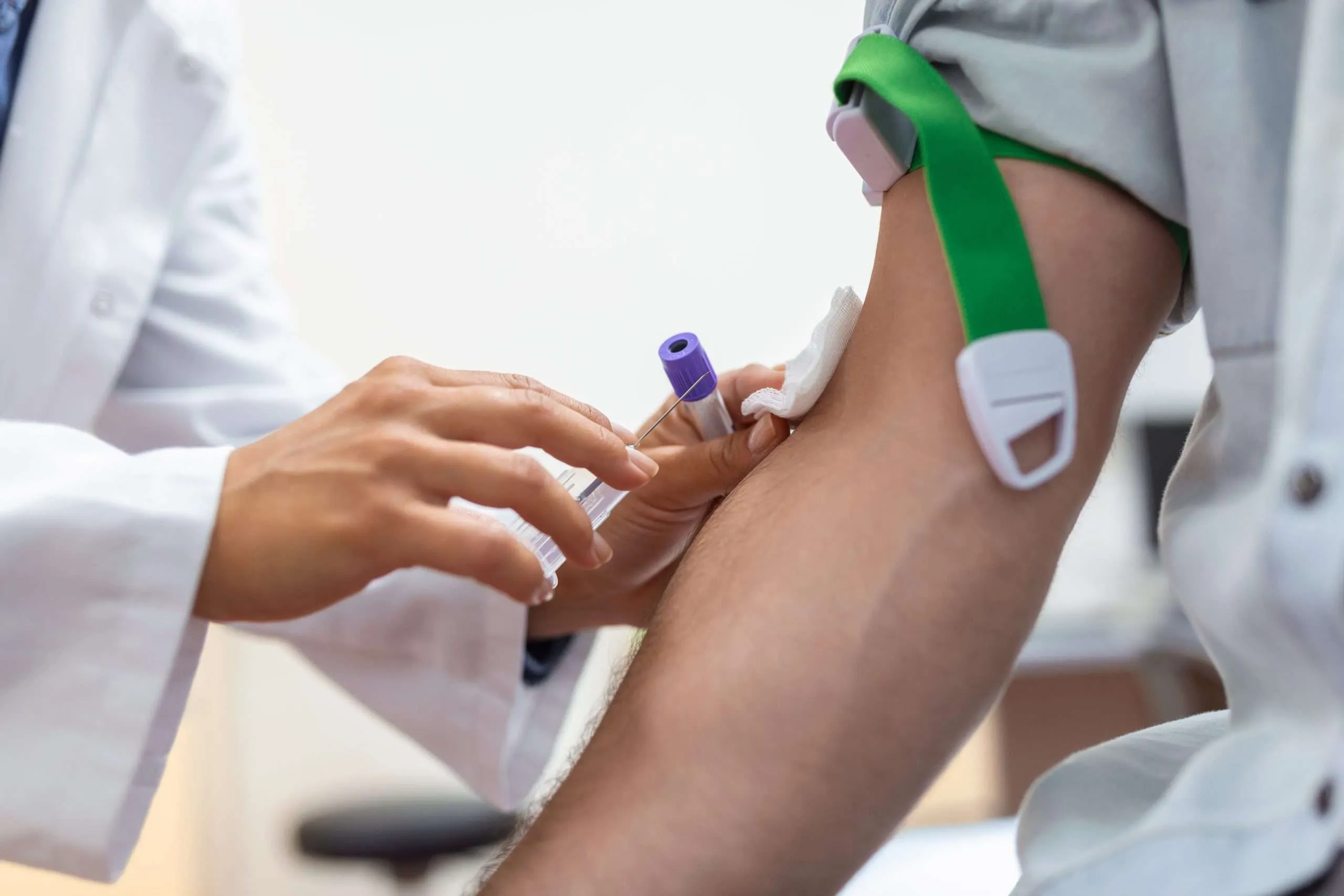
Diagnosing subclinical thyroid disease depends on the levels of thyroid-stimulating hormone (TSH) levels and free thyroxine (FT4) in the blood. Elevated TSH levels with normal FT4 values indicate subclinical hypothyroidism. It’s important to note that the specific TSH range considered “normal” can vary slightly based on individual patient characteristics and the laboratory reference range.
Clinical Significance
The clinical significance of subclinical hypothyroidism has been a subject of debate and ongoing research. Some experts argue that these mild hormonal imbalances might not necessarily warrant medical intervention, especially in the absence of symptoms, as the condition may resolve on its own. However, others also emphasize that subclinical hypothyroidism can progress to overt hypothyroidism and potentially contribute to other health concerns, such as cardiovascular and fertility problems.
Clinical Management
Deciding whether to treat subclinical hypothyroidism depends on several factors, including the patient’s age, the presence of pre-existing health conditions, and the presence of symptoms. In subclinical hypothyroidism, treatment is recommended if TSH levels are markedly elevated (for instance, a TSH value greater than 10 mIU/L). Treatment may also be considered if the patient is pregnant or planning to conceive. Close monitoring without intervention is often the course of action taken by healthcare professionals until it becomes necessary for treatment to begin. Treatment typically involves levothyroxine supplementation to normalize TSH levels. A personalized therapeutic approach may also be necessary based on the specific health status of the patient.
Subclinical Hypothyroidism Symptoms: What You Might Notice
Many people with subclinical hypothyroidism have no symptoms at all — which is why it’s often discovered accidentally through routine blood work. However, a meaningful subset of patients do experience symptoms, even when T4 and T3 remain technically within the normal range. TSH elevation itself appears to have biological effects independent of circulating hormone levels.
Symptoms that may appear in subclinical hypothyroidism include:
- Fatigue and low energy despite adequate sleep
- Difficulty losing weight or unexplained mild weight gain
- Feeling cold more than usual, particularly in the hands and feet
- Mild cognitive changes: slow thinking, difficulty concentrating, or memory lapses
- Dry skin or hair thinning
- Mild constipation
- Low mood or symptoms that overlap with depression
- Elevated cholesterol levels (subclinical hypothyroidism can independently raise LDL)
The higher the TSH, the more likely symptoms are to be present. Someone with a TSH of 7 mIU/L is more likely to notice changes than someone with a TSH of 5.5 mIU/L. Symptom burden is also influenced by individual sensitivity to thyroid hormone — some people feel the effects of borderline levels acutely, while others notice nothing.
If you have subclinical hypothyroidism and are experiencing symptoms, document them and discuss them with your doctor. Symptom presence is one of the key factors in deciding whether to initiate levothyroxine treatment.
Borderline levels can still make you feel terrible
Track borderline thyroid levels and symptoms so you catch the shift before it worsens. Plus self-care tools for sleep, mental health, and physical wellness designed specifically for people with thyroid conditions. Free on iOS and Android.
Download ThyForLife for FreeSubclinical hyperthyroidism
What is subclinical hyperthyroidism?
In subclinical hyperthyroidism, TSH levels are low while T4 and T3 levels remain within the reference range. Subclinical hyperthyroidism has been linked to an increased risk of atrial fibrillation and bone density loss. Subclinical hyperthyroidism can be caused by conditions such as toxic multinodular goiter and Graves’ disease.
Diagnostic criteria
Subclinical hyperthyroidism is often identified during routine blood tests measuring TSH, T4, and T3 levels. Diagnosis involves comparing these levels with established reference ranges. An isolated abnormal TSH reading might prompt further tests, including thyroid antibody tests and imaging studies to identify the underlying cause.
According to the American Thyroid Association, with regards to diagnosis, subclinical hyperthyroidism can be categorized into:
Grade I: This is when TSH levels are between 0.1 and 0.39 mIU/L
Grade II: This is when TSH levels fall below 0.1 mIU/L.
Clinical Implications
Like subclinical hypothyroidism, subclinical hyperthyroidism tends to resolve on its own in most cases. While many individuals with subclinical hyperthyroidism may not exhibit symptoms initially, there are potential complications. Studies have shown an association between subclinical hyperthyroidism and with an increased risk of cardiovascular problems. Albeit rare, subclinical hyperthyroidism can also progress to overt hyperthyroidism, especially in those with extremely low TSH levels (less than 0.1 mIU/L).
Clinical Management
For subclinical hyperthyroidism, decisions are slightly more nuanced, with treatment considered for cases associated with severe symptoms, elderly individuals, or those at risk of cardiovascular issues. According to clinical recommendations from an article published in the American Family Physician journal, treatment for subclinical hyperthyroidism is highly recommended for patients of age 65 and older who have very low TSH levels (less than 0.1 mIU/L). This may help prevent complications such as atrial fibrillation, heart failure or mortality.
Treatment for subclinical hyperthyroid disease may also depend on the underlying cause and individual factors. Apart from the patient’s age, some factors to consider include severity of symptoms (if any) and risk of progression to overt hyperthyroidism.
Subclinical Hyperthyroidism: Symptoms and Long-Term Risks
Subclinical hyperthyroidism is often completely asymptomatic, particularly in younger patients. However, the long-term consequences of even mildly suppressed TSH can be significant — especially for bone density and heart rhythm.
Symptoms that may appear in subclinical hyperthyroidism include:
- Palpitations or an awareness of a rapid or irregular heartbeat
- Feeling warm or heat intolerance
- Anxiety, nervousness, or irritability
- Unintended weight loss
- Tremor in the hands
- Difficulty sleeping or insomnia
- Increased frequency of bowel movements
Long-term risks even without symptoms: subclinical hyperthyroidism is associated with a 3-fold increased risk of atrial fibrillation, particularly in people over age 60. It is also a significant risk factor for bone loss (osteoporosis), since thyroid hormone accelerates bone turnover. This is why treatment decisions in subclinical hyperthyroidism are heavily influenced by age, TSH level, and cardiovascular or bone health status — not just the presence of symptoms.
A TSH consistently below 0.1 mIU/L carries a higher risk of these complications than a TSH between 0.1 and 0.4 mIU/L (low-normal range). Your doctor will typically assess both the degree of suppression and your individual risk profile when deciding whether treatment is warranted.
What are the prevalence and risk factors of subclinical thyroid disorders?
The prevalence of subclinical thyroid disease varies based on factors such as age, sex, and geographic location. Older women are more susceptible to subclinical thyroid disorders than other demographics.
According to data from a review article published in the Endocrinology and Metabolism journal, some of the risk factors of subclinical thyroid disease include:
- Level of iodine intake
- Environmental temperature
- Smoking status
- Ethnicity
- Autoimmune thyroid disorders (presence of thyroid antibodies)
What are the diagnostic challenges?
Diagnosing subclinical thyroid disease isn’t always a clearcut process. Two main challenges involved in the diagnosis of subclinical thyroid disorders have to do with reference range variability and the effect of aging on thyroid function.
Establishing a standard reference range for TSH levels can be challenging due to variations in laboratory assays and different population demographics. This can sometimes make it difficult to identify true abnormalities.
Whether a person has thyroid disease or not, an increase in age affects thyroid function. Thyroid hormone levels can naturally fluctuate with age. Differentiating between subclinical thyroid disease and age-related changes, therefore, requires careful consideration.
What are the overall clinical considerations for the management of subclinical thyroid disorders?
The management of subclinical thyroid disease is a subject of ongoing debate among endocrinologists. However, it is generally agreed upon that not all cases of subclinical thyroid disease require treatment. Clinical guidelines for the management of these conditions vary and depend on factors such as the patient’s age, underlying health conditions, and individual risk factors. Decisions should, therefore, be made on a case-by-case basis, considering the potential benefits, risks, and patient preferences. While some health professionals advocate for treatment to prevent potential complications, others recommend a more conservative approach, emphasizing close monitoring without intervention (also known as a wait-and-see strategy). Close collaboration between patients and healthcare providers is ultimately crucial in ensuring the best possible management approach.
Key takeaways
- Subclinical thyroid disease refers to a state where thyroid function tests show abnormal results, indicating a potential thyroid dysfunction, despite individuals not displaying noticeable symptoms.
- The two main forms of subclinical thyroid disease are subclinical hypothyroidism (elevated TSH levels; normal T3 and T4 levels) and subclinical hyperthyroidism (abnormally low TSH levels; normal T3 and T4 levels).
- Unlike overt thyroid disorders where symptoms are evident, subclinical thyroid disease is a more subtle presentation, requiring vigilant monitoring and careful consideration by healthcare professionals.
- Subtle changes in thyroid hormone levels can influence cardiovascular health, bone density, and overall well-being.
- Subclinical thyroid disease serves as a reminder that thyroid function exists on a spectrum, with variations that can impact an individual’s health beyond overt symptoms.
- A thorough understanding of the causes, clinical significance, diagnosis, and management of subclinical thyroid disease is crucial for healthcare professionals and patients alike.
- Timely and informed decisions about treatment should be made considering each patient’s unique medical circumstances, striving to achieve a balance between addressing potential health risks and avoiding unnecessary interventions.
- Regular monitoring and individualized treatment decisions are also crucial to prevent progression to overt disease and manage any associated health risks.