Last Updated on April 26, 2026
Evidence-based content
All content on ThyForLife is developed from peer-reviewed scientific literature, published clinical guidelines, and data from accredited medical research institutions.

Rheumatoid arthritis and Hashimoto’s thyroiditis are distinct autoimmune diseases, but have a tendency to occur together. One simple explanation for this is that generally, people with one autoimmune disease are at higher risk of developing others. There is also some genetic and immunological overlap that helps explain this association, and having both conditions can affect symptoms, disease severity, and clinical care.
In this article, we go into deeper detail about all of this as we answer the following questions:
What are these diseases?
Rheumatoid arthritis (RA)
Rheumatoid arthritis (RA) is a chronic autoimmune disease in which the immune system mistakenly attacks the body’s own tissues, most notably the lining of the joints. This leads to persistent inflammation, which causes symptoms such as joint pain, swelling, warmth, and morning stiffness that can last for hours. Over time, if the inflammation is not well controlled, it can result in permanent joint damage and loss of function.
Unlike the more common “wear-and-tear” arthritis (osteoarthritis), RA is not caused by aging or joint overuse. Instead, it is driven by immune dysregulation and inflammation. Importantly, RA is a systemic disease, meaning it doesn’t only affect the joints. In some people, it can also involve other organs and systems, including the lungs, heart, blood vessels, eyes, and even the nervous system.
RA affects roughly 0.5–1.0% of the global population. This makes it one of the most common autoimmune inflammatory diseases worldwide. It can occur at any age, but it most often begins in middle adulthood, and it is significantly more common in women than in men. Early diagnosis and appropriate treatment are crucial, as modern therapies can slow disease progression, reduce symptoms, and greatly improve quality of life.
Hashimoto’s thyroiditis
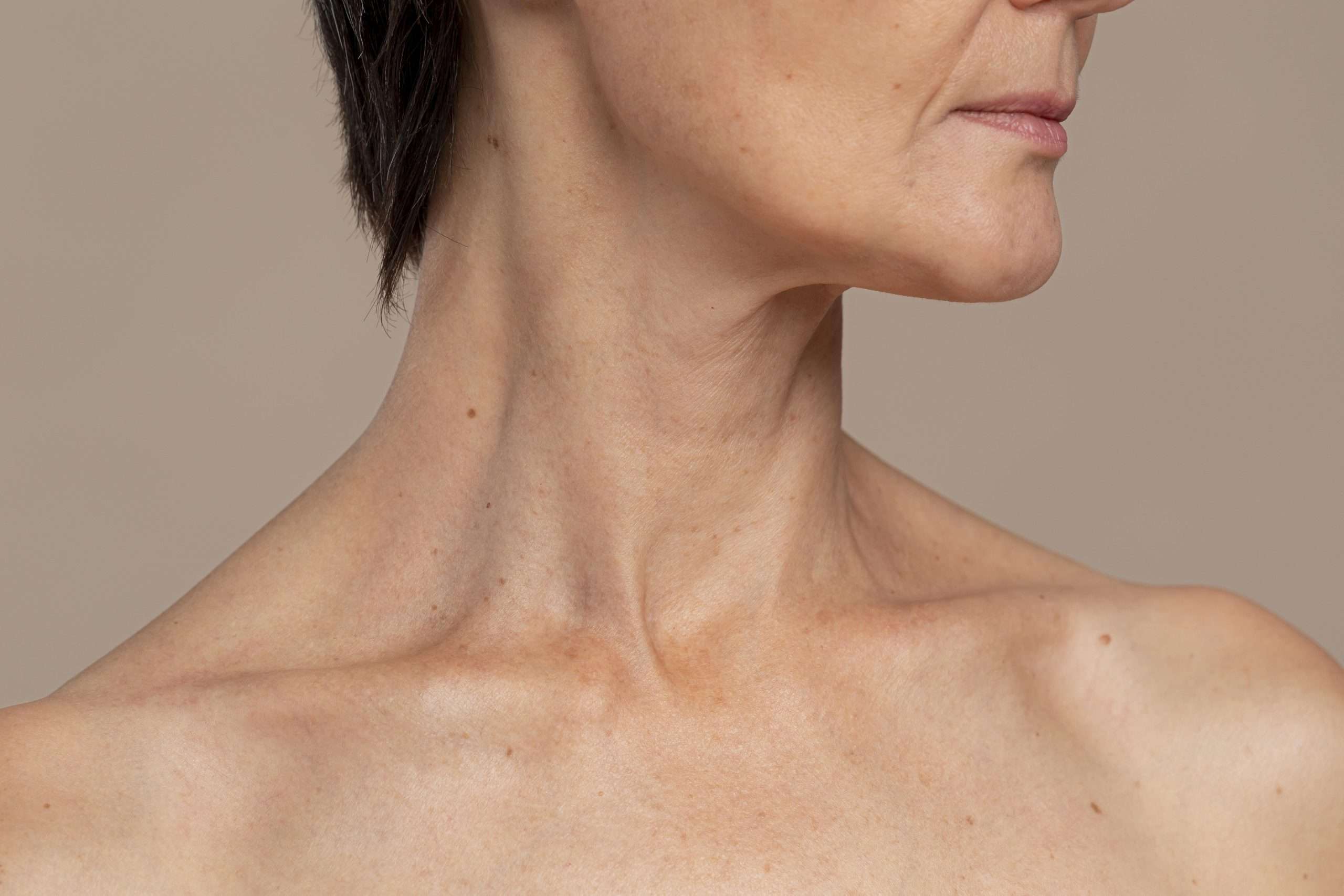
Hashimoto’s thyroiditis is also an autoimmune disease, but instead of targeting the joints, the immune system attacks the thyroid gland. This gland is a small, butterfly-shaped organ in the neck that plays a central role in regulating metabolism, energy levels, body temperature, and many other bodily functions.
In Hashimoto’s, immune cells gradually damage thyroid tissue, often leading to a slow and progressive decline in thyroid hormone production. Over time, this typically results in hypothyroidism, a condition in which the body does not produce enough thyroid hormones. Common symptoms can include fatigue, weight gain, cold intolerance, dry skin, hair loss, constipation, brain fog, menstrual changes and neck swelling. These symptoms often develop gradually and can be subtle at first.
Hashimoto’s is the most common cause of hypothyroidism in iodine-sufficient regions of the world. Like RA, it is far more common in women and often runs in families, reflecting an underlying genetic susceptibility to autoimmunity. Diagnosis is usually made through blood tests, showing abnormal thyroid hormone levels (especially elevated TSH) and the presence of thyroid autoantibodies, most commonly anti-thyroid peroxidase (anti-TPO) antibodies and sometimes anti-thyroglobulin (anti-Tg) antibodies.
Two conditions, one tracker
Log joint pain, fatigue, and other symptoms alongside your thyroid levels. Plus self-care tools for sleep, mental health, and physical wellness designed specifically for people with thyroid conditions. Free on iOS and Android.
Download ThyForLife for FreeHow common is it for someone to have both?
Multiple studies and reviews show a measurable co-occurrence: people with RA have a higher prevalence of thyroid dysfunction and autoimmune thyroid disease (including Hashimoto’s) than the general population. Some of these studies and reviews have been published in journals such as Tropical Doctor in 2017, Frontiers in Endocrinology in 2022, BMC Endocrine Disorders in 2023, and Scientific Reports in 2025. Prevalence estimates vary by study, population and testing criteria, but it is worth noting that thyroid abnormalities (especially hypothyroidism and thyroid autoantibodies) are frequently reported in study cohorts of RA patients.
What is the genetic link between rheumatoid arthritis and Hashimoto’s?
There is no single gene that causes both rheumatoid arthritis and Hashimoto’s thyroiditis. Instead, both conditions are polygenic, meaning they arise from the combined effects of multiple genes interacting with environmental factors.
That said, research has identified shared genetic risk factors that increase susceptibility to autoimmune diseases in general. Some of the most consistently implicated genes include:
- HLA class II genes (especially HLA-DR variants)
These genes help the immune system recognize what is “self” versus “foreign.” Certain variants increase the likelihood of autoimmune reactions.
- PTPN22
This gene affects immune cell signaling and is one of the strongest shared genetic risk factors across several autoimmune diseases, including RA and autoimmune thyroid disease.
- Other immune-regulating genes (such as CTLA4 and related pathways)
These influence how aggressively the immune system is activated or restrained.
Having these genetic variants does not mean someone will definitely develop RA or Hashimoto’s. Rather, they create a background susceptibility, which may or may not be expressed depending on environmental triggers such as infections, smoking, hormonal factors, or other immune stressors.
How do the two conditions interact clinically and why does this matter for patients?
Overlapping symptoms can delay diagnosis
Fatigue, muscle aches, weight changes, and joint stiffness can occur in both conditions. A patient with RA who has new or persistent fatigue, weight gain, cold intolerance, or constipation may have to be checked for hypothyroidism (if deemed necessary by their doctor) rather than assuming symptoms are RA alone.
Hypothyroidism can worsen certain RA features
Several studies report that hypothyroidism (overt or subclinical) is associated with higher inflammatory markers, higher RA disease activity, and potentially poorer functional scores. That means untreated or undertreated hypothyroidism may make RA symptoms (especially fatigue, muscle aches, and slowed recovery) worse, or can confound assessments of how well RA treatments are working.
Treatment interactions and considerations
Treatment of rheumatoid arthritis targets inflammation and joint damage, while treatment of hypothyroidism caused by Hashimoto’s is to restore normal thyroid hormone levels and reduce symptoms. Not only do these two autoimmune conditions benefit from the control of systemic inflammation, but it also is important for overall health. The following are the treatment options for these conditions:
- Glucocorticoids and immune suppression: Steroids and many RA immunosuppressants do not directly treat thyroiditis, as thyroid hormone replacement remains necessary when hypothyroidism is present.
- Disease-modifying anti-rheumatic drugs (DMARDs): Most conventional DMARDs (like methotrexate) and biologic agents used for RA can be used in patients with coexisting thyroid disease. In the event of a rare or unusual case of drug-induced thyroid dysfunction with specific agents, clinicians will typically monitor thyroid function closely and adjust or discontinue the medication if necessary, while managing thyroid hormone levels as appropriate.
- Thyroid hormone replacement: Levothyroxine is standard for hypothyroidism, with dose adjusted to normalize TSH and achieve a euthyroid state. This improves symptoms and metabolic effects of hypothyroidism.
FAQs
There is no cure for rheumatoid arthritis at this time. However, modern treatments can control inflammation, prevent joint damage, and bring the disease into remission or very low activity for many people. With early diagnosis and proper treatment, many patients live full, active lives.
Treating hypothyroidism can improve overlapping symptoms (such as fatigue and muscle weakness) and may clarify the true level of RA activity, but it is not a substitute for RA-specific treatment. Several studies show associations between hypothyroidism and higher RA activity, so thyroid control is an important part of comprehensive care.
There is not a universally mandated guideline to screen all RA patients for thyroid disease regardless of symptoms. However, many clinicians use a pragmatic approach: test if symptoms suggest hypothyroidism or if you have risk factors. Given the higher prevalence of thyroid dysfunction in RA, a baseline TSH and consideration of anti-TPO testing seems reasonable, especially at diagnosis or with unexplained symptoms. It’s best to discuss testing with your clinician.
Most RA drugs don’t cause Hashimoto’s. Rarely, specific medications can influence thyroid function, but the dominant explanation for co-occurrence is shared autoimmunity rather than medication causation. Monitor thyroid function when clinically indicated.
Not always. People with hypothyroidism, including that caused by Hashimoto’s thyroiditis, can experience joint pain, muscle aches, stiffness, and swelling. These symptoms are thought to be related to slowed metabolism, fluid retention, and changes in connective tissue that occur when thyroid hormone levels are low. In many cases, these symptoms improve or resolve once thyroid hormone levels are properly treated and stabilized.
Rheumatoid arthritis, on the other hand, causes joint symptoms through immune-driven inflammation of the joint lining. RA typically presents with persistent joint swelling, morning stiffness lasting more than 30–60 minutes, symmetrical involvement (for example, both wrists or both hands), and progressive symptoms over weeks to months.
Joint pain is managed by treating each condition appropriately. Thyroid-related joint discomfort improves with proper thyroid hormone replacement, while RA-related pain requires RA-specific treatments that reduce inflammation. Managing both conditions together often leads to better overall symptom control.
Key takeaways
- While RA and Hashimoto’s affect different organs and cause different symptoms, they share an important feature: both are driven by autoimmunity.
- This shared immune basis helps explain why some people develop more than one autoimmune condition during their lifetime and why RA and Hashimoto’s are more likely to occur together than would be expected by chance alone
- The exact causal relationship (whether one disease causes the other, shared cause, or both) is not fully resolved. Genetics and immune-pathway studies are active areas of research.
- Standard RA drugs (biologics, DMARDs) and levothyroxine (for hypothyroidism) usually can be used together. Treatment decisions should be individualized and coordinated between your rheumatologist and endocrinologist or GP.
Related Articles