Last Updated on April 26, 2026
Evidence-based content
All content on ThyForLife is developed from peer-reviewed scientific literature, published clinical guidelines, and data from accredited medical research institutions.
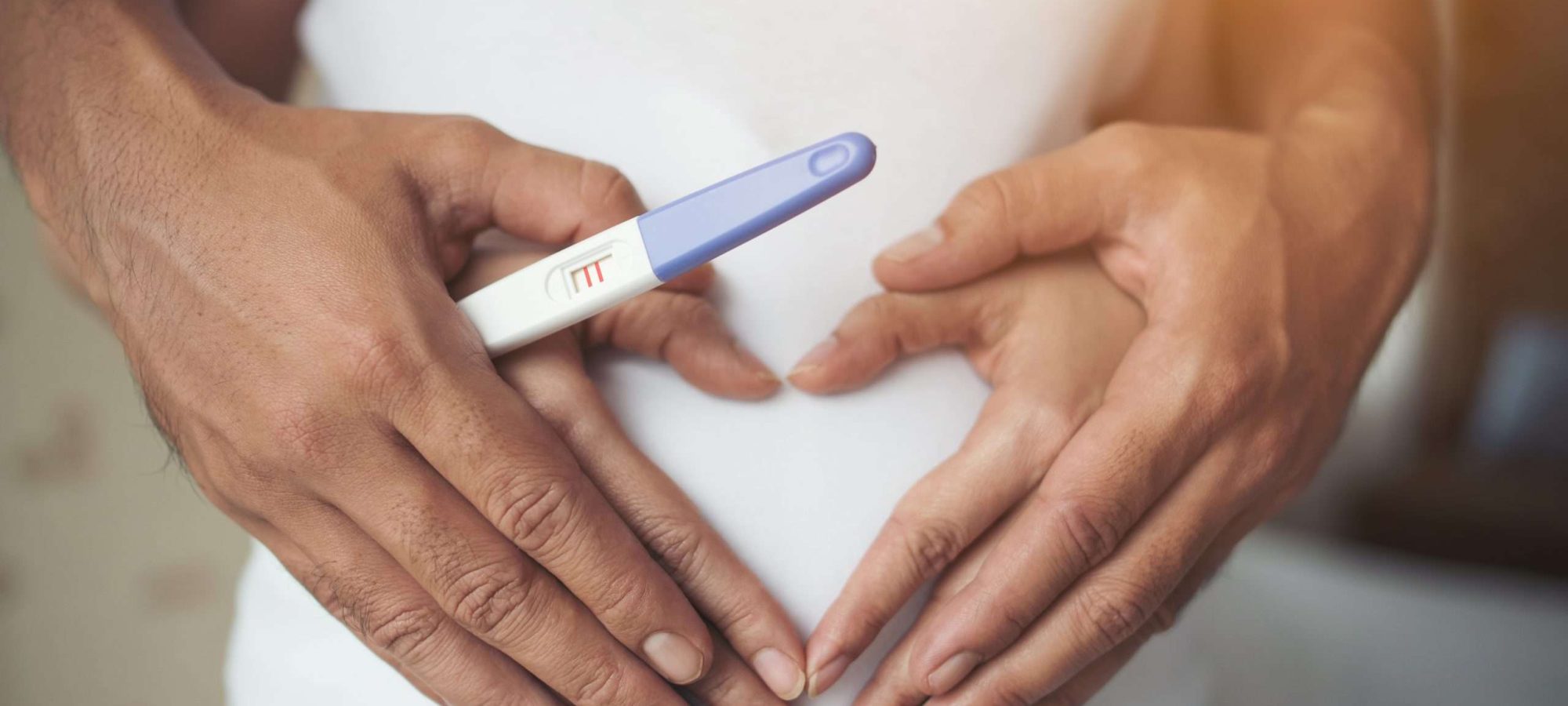
If you’re going through IVF or another fertility treatment, you’ve probably had your blood drawn more times than you can count. FSH, LH, estradiol, progesterone. The list never seems to end. But there’s a group of non-reproductive hormones that doesn’t always get the same spotlight: the thyroid hormones (including TSH).
These hormones matter for a very practical reason. Thyroid hormones play a role in ovulation, how well the uterine lining prepares for implantation, and fetal development in those first critical weeks of pregnancy, that is, before the baby even has a functioning thyroid of its own. On top of that, IVF medications can shift your thyroid lab values in ways that might not be obvious until it’s already happened.
The good news is that most thyroid issues that come up in IVF are screenable, manageable, and once you get past the debates, the evidence base is actually pretty solid. This article breaks it all down: what tests matter, what the numbers mean, and what the clinical guidelines actually say.
Why the thyroid matters in fertility treatment
Your thyroid makes two main hormones (T4 and T3) that regulate metabolism throughout your body. But they also quietly support reproductive function in ways most people don’t realize.
Thyroid hormones help regulate:
- Ovulation and menstrual cycle regularity
- How well the ovaries respond to stimulation drugs
- Endometrial receptivity (how ready the uterus is for an embryo to implant)
- Early fetal development, particularly in the first trimester
During early pregnancy, the body’s demand for thyroid hormone naturally rises. For people already taking levothyroxine, this means dose needs can increase fairly quickly after a positive test. Unmanaged thyroid dysfunction (both underactive and overactive) can affect fertility outcomes and pregnancy health, which is why most IVF clinics now pay close attention to thyroid status before and during treatment.
The thyroid tests you’ll hear about and what they actually mean
TSH (thyroid-stimulating hormone)
TSH is usually the first test ordered. It’s produced by the pituitary gland and acts as a signal: when TSH is high, the body is asking the thyroid to produce more hormone, a sign of underactivity. When TSH is low, the thyroid may be overactive.
“Normal” TSH ranges vary by laboratory, and pregnancy introduces tighter targets than standard adult reference ranges. The American Thyroid Association’s pregnancy guideline is one of the main references clinics use when setting those targets, and it recommends stricter goals than you’d get on a routine blood panel.
Free T4 (FT4)
FT4 is the unbound form of thyroid hormone in the blood. It’s usually tested alongside TSH to get a clearer picture of what’s going on. This is because T4 is the precursor the body converts to T3, the hormone that’s actually active in tissues. If TSH looks off, FT4 helps confirm whether that reflects genuine thyroid hormone deficiency or excess.
TPO antibodies (TPOAb)
Thyroid peroxidase antibodies are markers of thyroid autoimmunity, most commonly Hashimoto’s thyroiditis. Crucially, you can test positive for these antibodies even when your TSH and FT4 are completely normal. This matters in IVF because antibody-positive people are more prone to thyroid hormone shifts during ovarian stimulation and early pregnancy, as the 2021 European Thyroid Association guideline for assisted reproduction specifically flags.
Your thyroid can make or break IVF
Monitor your thyroid levels and symptoms alongside your IVF journey. Plus self-care tools for sleep, mental health, and physical wellness designed specifically for people with thyroid conditions. Free on iOS and Android.
Download ThyForLife for FreeHow ovarian stimulation can affect your thyroid labs
This is the part that surprises a lot of people who want to undergo fertility treatments like IVF.
During the ovarian stimulation phase, estrogen levels spike dramatically. Higher estrogen increases a protein called thyroxine-binding globulin (TBG), which binds thyroid hormone in the blood. The result is that less free thyroid hormone is available, and TSH can rise, sometimes enough to push someone from a normal range into a problematic one.
In a prospective study of women undergoing IVF stimulation, TSH rose significantly in many participants, and 44% of those who started with TSH at or below 2.5 mIU/L ended up crossing above that threshold during stimulation.
The ETA guideline for assisted reproduction is specific about who’s most at risk. People with thyroid autoimmunity are particularly susceptible, and women already on levothyroxine should ideally have their dose adjusted at least four weeks before ovarian stimulation begins.
In short, even if your thyroid looked fine at baseline, the stimulation phase alone can change things in a way worth tracking.
The three thyroid scenarios that come up most in IVF
1. Overt hypothyroidism (high TSH, low FT4)
This is the clearest situation. Overt hypothyroidism is consistently linked to irregular ovulation, reduced fertility, and a higher risk of pregnancy complications. The ASRM 2024 guideline on subclinical hypothyroidism in infertile patients, along with all major guidelines, is aligned on this: treat it with levothyroxine before attempting pregnancy.
2. Subclinical hypothyroidism (high TSH, normal FT4)
This is where there is a real debate. And it’s a genuine one, not just limited to academics or researchers.
Higher TSH levels, roughly above 4.0 mIU/L, are more consistently associated with worse fertility and early pregnancy outcomes. The ETA guideline notes that IVF outcomes, including fertilization rates and embryo quality, may be affected when TSH exceeds that threshold, and that levothyroxine may improve outcomes in certain subgroups.
The ASRM 2024 guideline takes a more measured stance, reviewing benefits and risks rather than prescribing one universal threshold, acknowledging that the right call depends on TSH level, antibody status, symptoms, and pregnancy history.
What most clinics tend to do in practice is to optimize TSH preconception, and have a real conversation about whether to treat when the numbers sit in a gray zone.
3. Thyroid antibodies with normal TSH
Thyroid autoimmunity (that is, testing positive for TPO antibodies with otherwise normal thyroid function) affects roughly 1 in 10 women. These patients have a higher risk of drifting hypothyroid during IVF stimulation and early pregnancy. But the key question is whether giving levothyroxine routinely to euthyroid antibody-positive women actually helps IVF success or reduces miscarriage. Two major trials have tested this directly:
- The TABLET trial, published in the New England Journal of Medicine in 2019, randomized 952 euthyroid TPO-antibody-positive women with a history of miscarriage or infertility. Levothyroxine did not result in a higher live birth rate compared to placebo.
- The T4LIFE trial, published in The Lancet Diabetes & Endocrinology in 2022, reached the same conclusion in women with recurrent pregnancy loss. No improvement in live birth rates with levothyroxine when thyroid function was normal.
The takeaway isn’t that antibodies don’t matter. They genuinely affect risk as hormone demands rise. But routine levothyroxine for everyone who tests positive isn’t what the current evidence supports when thyroid function itself is normal. Closer monitoring tends to be the more evidence-aligned approach.
TSH targets: What do the guidelines actually say?
You’ll hear the number 2.5 mIU/L cited a lot in fertility contexts. Here’s where it comes from.
The American Thyroid Association’s 2017 pregnancy guideline recommends that people with known hypothyroidism who are taking levothyroxine and planning pregnancy should aim for TSH between the lower reference limit and 2.5 mIU/L preconception.
The 2021 ETA guideline for assisted reproduction echoes this specifically for IVF patients: women already on levothyroxine preparing for ART should have TSH below 2.5 mIU/L before starting.
For untreated women with subclinical hypothyroidism, the picture is more nuanced. TSH above 4.0 mIU/L tends to trigger more consistent clinical concern, but different clinics and guidelines draw lines in slightly different places depending on antibody status, history, and the specific protocol being used.
Already on levothyroxine? Here’s what changes during IVF
Optimize before you start
Don’t wait until you’re mid-stimulation to check your thyroid. Most guidelines recommend confirming TSH is in a good place, and adjusting your dose if needed, at least a month before starting IVF, ideally hitting that TSH below 2.5 mIU/L target before ovarian stimulation begins.
Expect more frequent monitoring
Because stimulation and early pregnancy can shift thyroid hormone needs, many clinicians recheck TSH:
- Before starting ovarian stimulation
- Around embryo transfer timing or early pregnancy confirmation
- Every 4–6 weeks in early pregnancy, and after any dose change
The exact schedule varies based on your baseline stability and antibody status. General guidance on thyroid monitoring in pregnancy supports checking approximately every four to six weeks in the first half of pregnancy, with adjustments as needed.
Increase your dose as soon as pregnancy is confirmed
The ATA recommends that people already on levothyroxine who become pregnant should increase their dose by approximately 20–30% immediately upon a positive test, often done as taking two extra tablets per week, followed by prompt lab work to fine-tune the dose with your clinician.
Watch the timing around supplements
Levothyroxine absorption is sensitive to what else is in your stomach. Take it on an empty stomach with water, and separate it by at least 4 hours from:
- Iron supplements (including prenatal vitamins with iron)
- Calcium supplements
- Some antacids
If you’re on prenatal vitamins, which typically contain both iron and calcium, this is worth flagging specifically with your pharmacist or clinician.
What about hyperthyroidism and IVF?
Overactive thyroid (low TSH with elevated FT4 or FT3) needs to be addressed before fertility treatment. The ETA guideline on this is clear. Women with hyperthyroidism planning ART should be counseled on the increased maternal and fetal risks, and euthyroidism should be established and maintained for several months before starting treatment.
Some anti-thyroid medications also have trimester-specific considerations in pregnancy. This is an area where endocrinology and the fertility team need to work closely together. Don’t start, stop, or change thyroid medications without medical guidance.
Key takeaways
- Check thyroid function early in your fertility workup. TSH is the starting point; FT4 and TPO antibodies help clarify the picture.
- IVF stimulation can raise TSH, especially in those with thyroid autoimmunity. Monitoring throughout treatment matters.
- For people already on levothyroxine, the common preconception goal is TSH below 2.5 mIU/L, per both ATA and ETA guidance.
- Levothyroxine is clearly appropriate for overt hypothyroidism; for subclinical hypothyroidism and antibody-positive euthyroid patients, decisions should be individualized.
- When pregnancy is confirmed, levothyroxine needs usually rise quickly. Plan for an immediate dose increase and prompt follow-up labs.
- Thyroid antibodies alone don’t make IVF impossible. They do warrant closer monitoring