Last Updated on April 26, 2026
Evidence-based content
All content on ThyForLife is developed from peer-reviewed scientific literature, published clinical guidelines, and data from accredited medical research institutions.

Did you know that anemia is not at all uncommon in people with hypothyroidism? Research shows that anemia prevalence in hypothyroid patients can range from 20 to 60 percent, depending on the population studied. For this reason, we need to understand how these two conditions overlap, especially with regard to hypothyroidism caused by Hashimoto’s thyroiditis. This way, we can understand better how to manage them.
In this article, we’ll learn about:
What are Hashimoto’s thyroiditis, hypothyroidism, and anemia?
Hashimoto’s thyroiditis & hypothyroidism
Hashimoto’s thyroiditis is an autoimmune condition where the immune system attacks the thyroid gland, leading to chronic inflammation, destruction of thyroid follicular tissue, and reduced thyroid hormone production. This results in hypothyroidism, characterized by symptoms such as fatigue, weight gain, cold intolerance, and depression.
The term “hypothyroidism” simply means that the thyroid is under‑producing hormones (particularly T4 and T3) and TSH is elevated (for primary hypothyroidism). It may be overt (with clear symptoms and abnormal hormone levels) or subclinical (TSH elevated, but normal T4/T3). Hashimoto’s is the most common cause of hypothyroidism in countries that are not iodine-deficient.
The standard treatment involves daily administration of synthetic thyroid hormone, typically levothyroxine, to restore normal hormone levels.
Anemia
Anemia refers to a reduction in red‑blood‑cell (RBC) mass or hemoglobin concentration below normal levels, causing reduced oxygen‑carrying capacity of the blood. Depending on RBC size, the types of anaemia include:
- Microcytic (small red blood cells), often due to iron deficiency.
- Normocytic (normal cell size), which may occur from chronic disease or bone‑marrow suppression.
- Macrocytic (large cells), often due to Vitamin B12/folate deficiency or other causes.
It is also worth pointing out that anemia is a condition that is strongly related to nutrition, particularly with regard to deficiency, absorption and dietary patterns. Here are the essential nutrients worth mentioning:
It is vital for hemoglobin production. Low ferritin (iron storage protein) is often seen in Hashimoto’s patients.
This vitamin is essential for red blood cell formation and neurological function.
Folate works with B12 to produce healthy red blood cells.
It enhances iron absorption when taken with iron-rich foods or supplements.
Selenium is important for thyroid function. A selenium deficiency can exacerbate Hashimoto’s symptoms and worsen fatigue.
What are the common types of anemia in Hashimoto’s?
We have just seen the types of anemia by RBC size. Now, we turn our focus onto the types of anemia by cause (as listed and explained below). This is important because knowing the type of anemia an individual has is instrumental to choosing the right treatment.
1. Iron deficiency anemia
This is the most common type worldwide. It occurs when iron stores are low, leading to smaller, paler red blood cells. Contributing factors include chronic blood loss (like heavy periods, which are also common with hypothyroidism) and poor dietary intake or absorption of iron. Symptoms include fatigue, pale skin, brittle nails, dizziness, and shortness of breath.
2. Pernicious anemia (Vitamin B12 deficiency)
This autoimmune condition attacks stomach cells responsible for absorbing B12. This is particularly relevant within the context of Hashimoto’s because autoimmune diseases tend to cluster together. Symptoms include fatigue, nerve problems (tingling or numbness), loss of memory, and depression.
3. Folate deficiency anemia
Folate, like B12, is vital for DNA production in red blood cells. Hypothyroidism can lower folate absorption, and medications like methotrexate (used for autoimmune conditions) can also impact folate levels. This deficiency could lead to megaloblastic anemia. Symptoms generally include weakness, irritability, heart palpitations, and shortness of breath.
Tired of being tired? Start tracking
Log fatigue, lab results, and daily wellness to manage both conditions together. Plus self-care tools for sleep, mental health, and physical wellness designed specifically for people with thyroid conditions. Free on iOS and Android.
Download ThyForLife for FreeWhat is the connection between Hashimoto’s and anemia?
Clinicians and researchers have noted that people with Hashimoto’s thyroiditis or hypothyroidism tend to present with anemia. But why exactly is this so?
There is more than just one reason. But let’s start with iron. Iron is essential for the function of the TPO (thyroid peroxidase) enzyme. In iron deficiency, TPO activity falls, and as a result impairs thyroid hormone production and possibly promotes autoimmunity.
Hypothyroidism also reduces the body’s metabolic demands, oxygen consumption, and may reduce erythropoietin and bone-marrow stimulation, all of which can result in a mild normocytic anemia.
It is also important to note that Hashimoto’s often coincides with autoimmune gastritis, leading to hypochlorhydria (low stomach acid) and as a result, reduced absorption of iron. This can also lead to pernicious anaemia (vitamin B12 deficiency).
As far as prevalence is concerned, recent research shows a higher prevalence of anemia in individuals with thyroid disease (not just hypothyroidism, but hyperthyroidism as well) than in euthyroid people. Below is a list of brief insights from recently published studies on the prevalence of anemia and its association with thyroid dysfunction.
- Published in Cureus in 2024, a narrative review of extra‑thyroidal manifestations of Hashimoto’s emphasized that anemia is part of the broader systemic involvement of autoimmune thyroid disease.
- A 2024 systematic review published in the New Emirates Medical Journal in 2024 also described anaemia as a “haematological mask” of hypothyroidism, meaning it may actually precede overt thyroid symptoms or diagnosis.
- Studies of iron status show that iron deficiency is common in Hashimoto’s or hypothyroid populations: one such analysis published in 2024 found that in reproductive-aged women, each unit increase in serum iron was associated with a 43% lower risk of Hashimoto’s thyroiditis.
- Published in The Journal of Clinical Endocrinology & Metabolism in 2018, a pooled analysis (over 20,000 participants) found a strong association between thyroid dysfunction and anemia risk across populations.
- A systematic review published in Frontiers of Endocrinology in 2023 also found that patients with hypothyroidism had significantly lower vitamin B12 levels compared to healthy controls, with about 27% of hypothyroid patients having B12 deficiency.
How is anemia typically diagnosed?
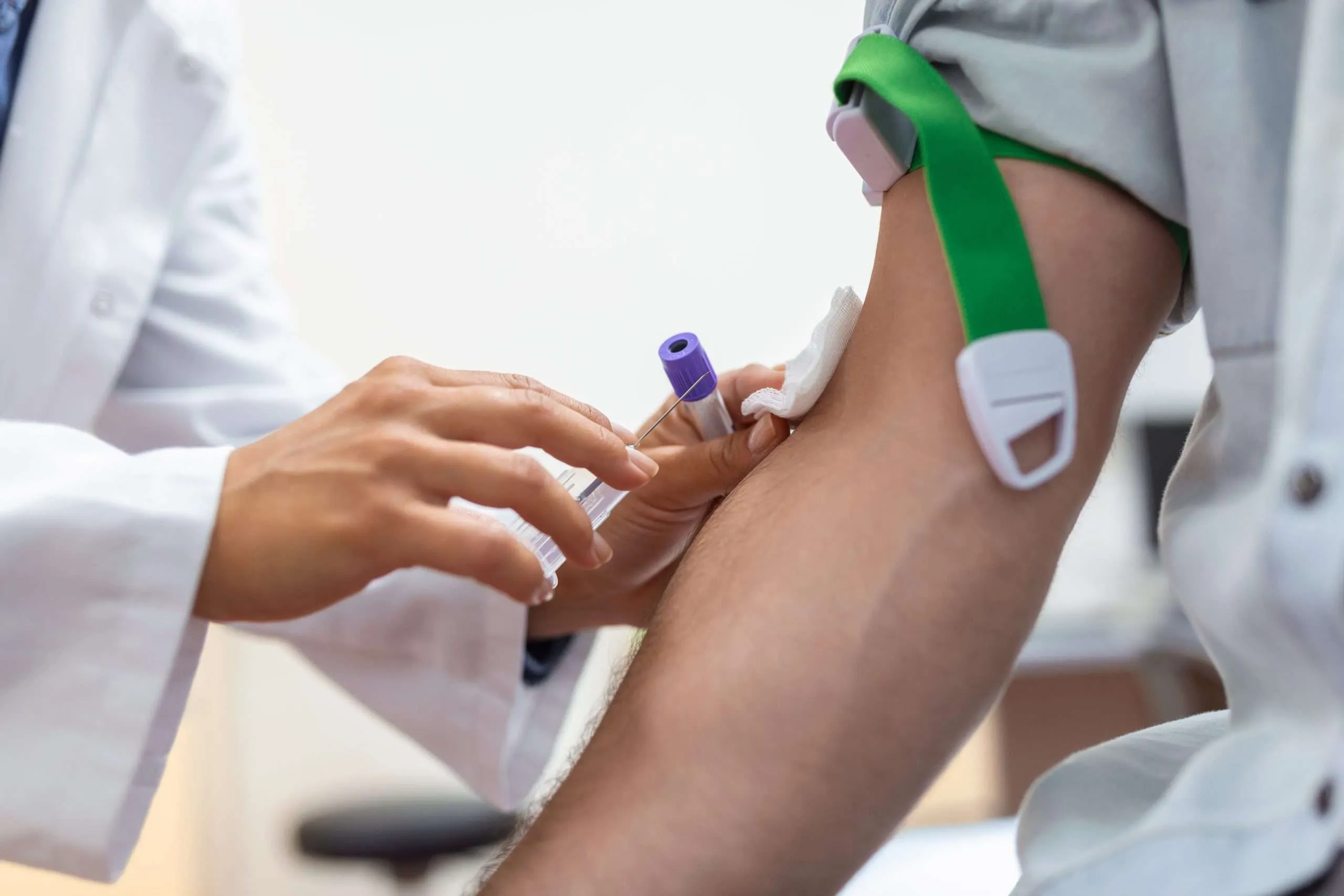
Here are some lab tests your doctor might order if they suspect you might have anemia:
- CBC (Complete Blood Count) to check overall red blood cell health.
- Ferritin* to measure stored iron.
- An iron panel. This includes serum iron, TIBC (total iron-binding capacity), and transferrin saturation.
- Vitamin B12 levels. This is critical for neurological function and energy.
- Folate levels, especially important if you’re pregnant or planning to be.
- Methylmalonic acid (MMA) and homocysteine. These are more sensitive markers for B12 deficiency.
*Keep in mind that ferritin is the best early marker of iron deficiency. Low ferritin can occur even before anemia shows up on a CBC. Ferritin can also be falsely elevated during inflammation. Your doctor will therefore know how to interpret the results alongside other markers to get a clearer picture.
Here’s a practical approach to managing Hashimoto’s and anemia
1. Address any gut health issues you might have
If you have autoimmune gastritis, small intestinal bacterial overgrowth (SIBO), or other gastrointestinal issues, these need to be treated for better nutrient absorption.
2. Personalize supplementation
Combining iron therapy with levothyroxine has been shown to be more effective in improving both anemia and thyroid function than either treatment alone. If iron is low, your doctor might consider iron bisglycinate (a form that’s easier on the gut). For B12, sublingual methylcobalamin is often preferred, especially if absorption is an issue. Always supplement under medical supervision.
3. Be mindful of medication timing
Levothyroxine remains the standard treatment for hypothyroidism. Proper dosing is crucial, as both under- and over-treatment can have adverse effects. It’s also important to take levothyroxine on an empty stomach and avoid concurrent intake of iron supplements, calcium, or certain foods that can interfere with absorption.
4. Optimize your diet
Focus on foods rich in iron (such as grass-fed beef, chicken liver, spinach, and lentils), B12 (eggs, dairy, and fish), and folate (dark leafy greens, legumes, and citrus fruits). Remember to pair plant-based iron sources with vitamin C foods (like oranges or bell peppers) for better absorption. Consulting with a registered dietitian can help tailor dietary plans to individual needs.
5. Monitor your health regularly
Make sure you retest labs (such as full anemia panel and thyroid function tests) as often as your doctor recommends. This way, you can actively stay on top of your health. ThyForLife can actually help you keep track of your blood work. Download the ThyForLife app today to give it a try!
6. Aim for a healthy lifestyle
Managing stress, ensuring adequate sleep, and engaging in regular physical activity can positively impact both thyroid function and overall health. Additionally, avoiding substances that interfere with nutrient absorption, such as excessive alcohol and certain medications, is advisable.
See also: Gigi Hadid’s experience with Hashimoto’s
See also: Gigi Hadid’s experience with Hashimoto’s
See also: Gigi Hadid’s experience with Hashimoto’s
FAQs
Yes. Correcting anemia can significantly improve energy levels, mental clarity, and even thyroid medication efficacy.
Only if iron deficiency is confirmed by lab tests. Too much iron can be harmful, so avoid self-supplementing.
Some studies suggest that a gluten-free diet may help in autoimmune conditions, especially if celiac disease is present. However, it’s best to get tested before making major dietary changes.
Key takeaways
- Anemia happens when your body doesn’t have enough healthy red blood cells to carry oxygen effectively.
- Hashimoto’s and anemia frequently occur together and share overlapping symptoms.
- Fatigue, weakness, shortness of breath, and brain fog are symptoms common to both anemia and hypothyroidism.
- Different types of anemia (iron deficiency, B12 deficiency, folate deficiency) require different treatments.
- Managing both conditions means addressing thyroid health, nutrient levels, gut health, and medication timing.
- More research is needed, but current evidence supports the importance of assessing and addressing anemia in the people with thyroid disease.